Dispatch Group Uses Power To Perform For Zimbabwe
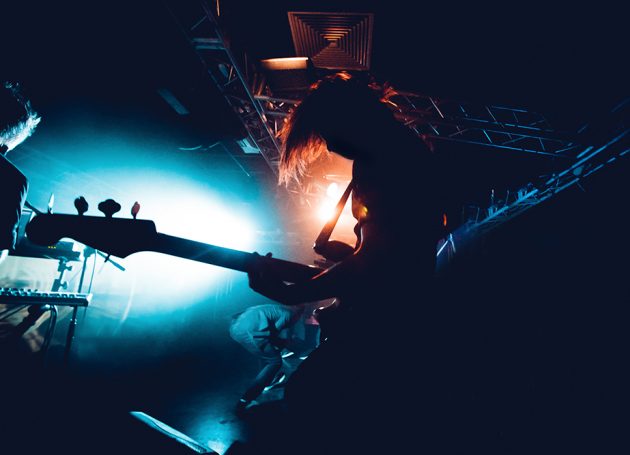
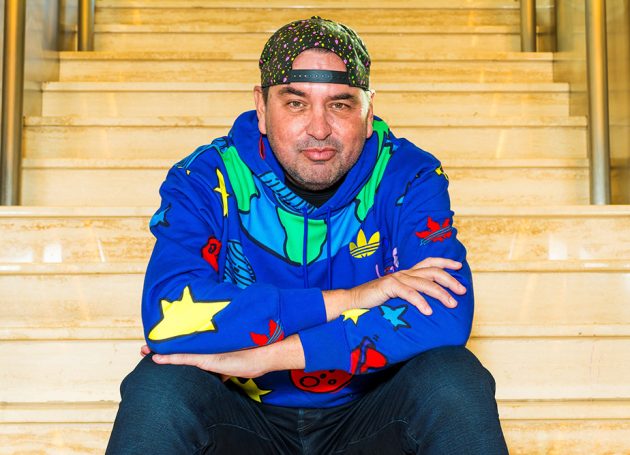
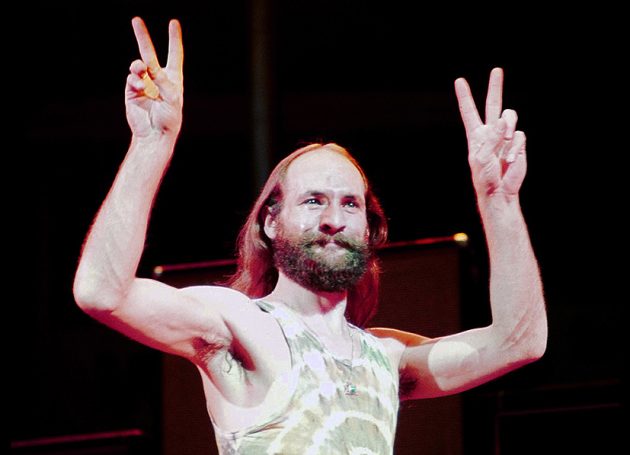
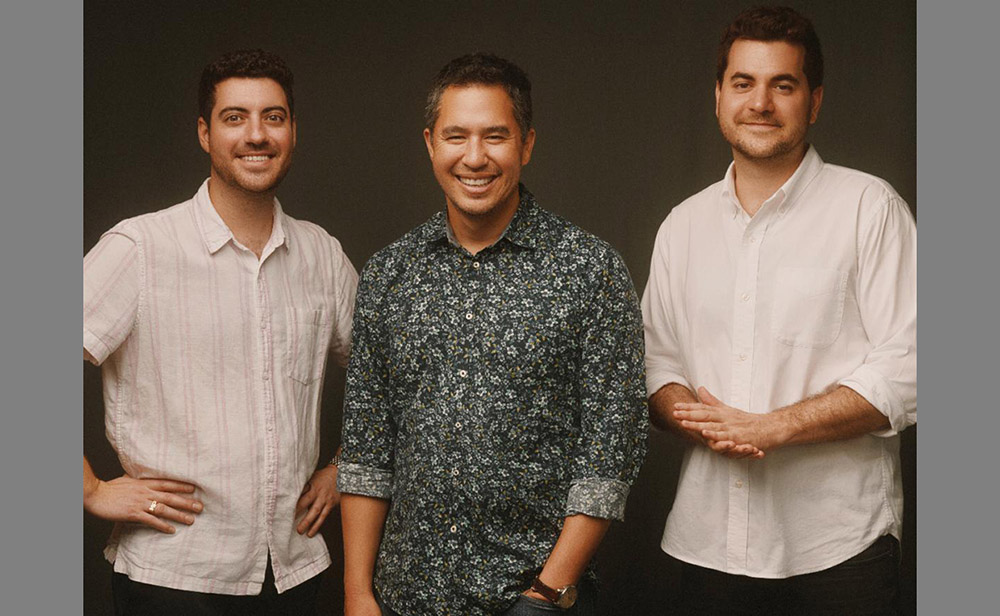
Posted: July 12, 2007 BOSTON (AP) -- Now, three years after the members of Dispatch -- an underground band formed in a dorm room at college -- went their separate ways to pursue careers in Boston, New York and Denver, word of reunion concerts to raise money for charity spread so quickly, they sold out New York's Madison Square Garden for three straight nights, in just 30 minutes per concert. "It is an unbelievable thing when you realize your gift as an entertainer in one culture is the difference between life and death in another culture," said Braddigan, Dispatch's vocalist, drummer, guitarist and percussionist formerly known as Brad Corrigan. Braddigan will reunite with Chad Urmston and Pete Francis on Friday through Sunday for concerts to raise awareness and money for people hit by worsening political and economic conditions in the southern African nation of Zimbabwe. Madison Square Garden officials say Dispatch is the first independent band to headline and sell out for three straight nights.
ADVERTISEMENT
Their remarkable evolution follows humble beginnings 1995 in a dorm room at Middlebury in Vermont. "We were these three guys who were coming to terms with finishing up college and finishing up with sports -- all three of us were athletes," Braddigan, 32, said by telephone from his home in Denver, where he was recording his latest album. "We had guitars, we loved to sing and we started playing music as that transition out of school." The band was initially sustained only by the artists' joy in playing under their own label, Bomber Records. They had neither mainstream radio play, a publicity operation nor a deal with a major record label. Fans, however, tapped into the Internet to spread their music as the indie band performed at prep schools, colleges and local music joints. The band first saw the reach of underground music when they traveled to a college in Pomona, Calif., for their first show on the West coast. They had low expectations: a couple of hundreds of fans and maybe selling 20 CDs. "There were 1,200 kids there that were waiting for us and when we played our first song, on the opening chord, they all started cheering as if they knew the music," Braddigan said. "By the end of the gig, at least two-thirds of the kids were singing along to all the songs." "As soon as we jumped offstage we were, like, 'What's going on here? How do you guys know our music?'" he said. "And this kid just said 'Oh, so you haven't heard of Napster yet?'" Dispatch's varied sound became popular on college radios. As their popularity grew, the musicians say they rejected contracts with several major record labels because they feared commercialization would compromise their sound -- a combination of reggae, ska, folk, rap and rock. Dispatch's unique sound and independence was appealing to fans, said Evan Souliere, 21, an engineering student at Northeastern University: "They're like the underdogs of the music industry that have proven that you don't need big labels to get your music heard." So, when news of the farewell concert got out, more than 100,000 people jammed the banks of Boston's Charles River -- with some watching the free concert from boats and others climbing nearby trees to see the July 2004 performance. "We had played for a long time together and really been on the road quite a bit -- putting in a lot of hours touring, in the studio, living with each other. And I think sometimes, just like in a lot of relationships in life, you just have to kind of move on," said Francis, formerly known as Pete Heimbold, who is pursuing a solo career and co-owns a recording studio in New York. Urmston was first to develop ties with Zimbabwe, where he went to live and teach there at age 18. The vocalist, bassist, guitarist and percussionist said his experiences pushed him to help set up and raise money for the Elias Fund, a nonprofit organization that provides scholarships and food to the needy in Zimbabwe's southwestern Chiredzi region. The situation worsened drastically in recent years after disastrous land reforms. Shortages of food, hard currency, gasoline, medicines and other essential goods are acute. Power and water outages occur daily. Health and social services have crumbled in a nation with one of the world's highest rates of HIV/AIDS infection. An estimated 3,000 people die each week from AIDS-related illnesses. The musicians are setting up the Dispatch Foundation to support charity causes in Zimbabwe and elsewhere, and are using occasional reunion concerts to raise funding. They hope to raise $1 million from the Madison Square Garden concerts. Braddigan discovered his charity cause in La Chureca, a dusty trash dump in Nicaragua. The devout Christian was shocked to see about 200 families living in squalid conditions -- with a child prostitution ring and drug dealers flourishing at the squatter camp in the capital, Managua. He has since visited the trash dump more than 20 times in the last 2 1/2 years, performed a live concert there and helped set up a charity called Love, Light and Melody. The group is raising funds for a school and training programs to help residents learn new skills that would open the path out of the camp. At home, Francis has raised money for Waterside School, a K-5 private school that offers underprivileged children access to high-quality education in Stamford, Conn. Michael Lantow, 17, of Deerfield, Ill., says a commitment to charity adds an appealing dimension to Dispatch, and he plans to travel to New York for their upcoming concerts. "I'm not just going for the great music -- I'm going for the cause as well," Lantow said. "I really admire the fact that they are playing together again, not in hopes to be a band again, but to raise money and awareness to Zimbabwe." |